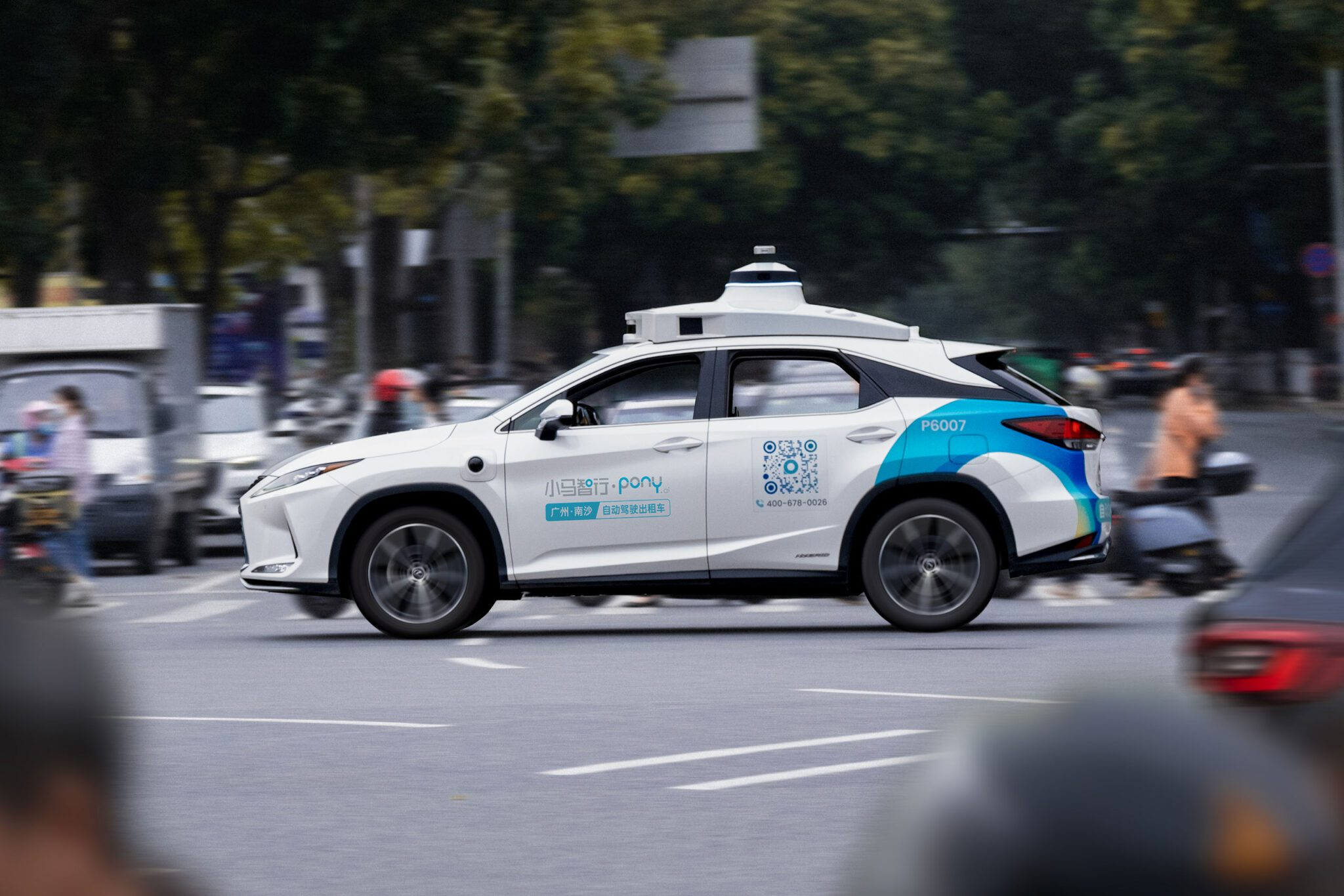
Pony.ai’s overseas pipeline grows past 4,000 robotaxis
Pony.ai announced a pipeline of more than 4,000 planned and potential robotaxi deployments outside China in its Q2 2026 results, as Chinese autonomous driving firms race to commercialise their technology abroad faster than US rivals. Chief Executive James Peng said the vehicles are already contracted across Europe, Southeast Asia and the MENA region, although rollout timing now depends on permits and other regulatory and operational requirements rather than manufacturing or demand.
More than 2,000 of those vehicles are earmarked specifically for Europe, following an expanded partnership with Uber covering five European cities, which was announced earlier in August. As it stands, the company runs commercial services with Bolt and Stellantis in Luxembourg, a public launch in Singapore through ComfortDelGro, and a landmark service in Zagreb, Croatia that management has cited as a reference point in ongoing overseas partnership talks.
Second-quarter results revealed substantial acceleration underpinning the expansion plans: revenue rose 68.8% year-on-year to US$36.2m, with robotaxi-specific revenue surging 691.2% to US$12.1m; its first quarter accounted for a third of total revenue. Meanwhile, robotruck revenue climbed 40% to $13.3m on freight growth alongside logistics partner Sinotrans.
Now, Pony.ai is targeting global deployment of 100,000 autonomous trucks by 2030, an arrangement it believes it can accomplish by partnering with existing truckmakers rather than developing a model of its own. On the robotaxi side, the company’s China fleet reached 1,975 vehicles by June’s end, still tracking toward its unchanged year-end target of 3,500 across more than 20 domestic cities.
That unchanged target, even as the overseas pipeline grows sharply, may say more about regulatory caution in China than demand or capacity. The static 3,500-vehicle figure may indicate that Chinese commercial permit approvals, rather than technology readiness, remain the binding constraint on near-term fleet growth at home. A three-month pause on all new robotaxi permits was imposed earlier in the year, following a mass-outage event in Wuhan involving Baidu Apollo Go robotaxis which left multiple people injured.
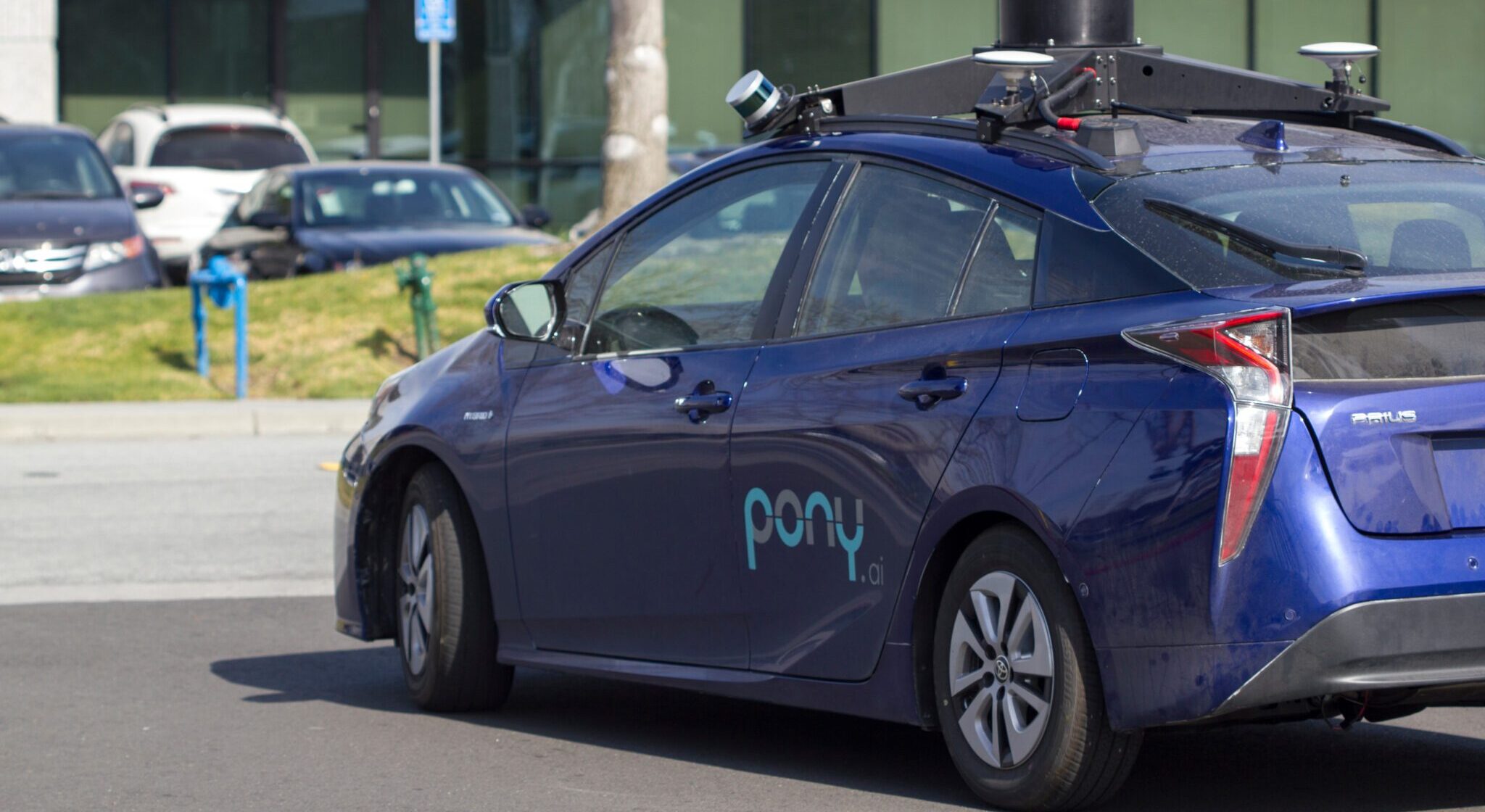
Europe carries its own regulatory friction, which Peng described as the real obstacle more so than any shortfall in the underlying technology. “The layer of government approval that we need to obtain is a bit more complex,” he said, even as he pointed to rising robotaxi demand across the region. Barclays Analyst Jiong Shao corroborated that Pony.ai and its peers are “technologically ready to take robotaxi mainstream”, but that “oftentimes the destiny is largely controlled by regulators.”
The asset-light approach adopted by Pony.ai is the same being propagated by ride hailing giant Uber, albeit as a platform operator in the latter case. There are multiple advantages to this approach: the platform operator and local teams will finance the vehicles themselves and contribute regional operating capability, leaving Pony.ai to supply only its Gen 7 hardware and self-driving technology.
The company currently books upfront vehicle revenue under this structure and expects recurring revenue-sharing income to grow once the operating fleets are finally brought to scale. As a result, near-term revenue growth is likely to be quite limited. A new AI-driven platform called PonyWorld 2.0 is designed to cut the engineering cost of each new city launch by automatically identifying local driving behaviour rather than relying on manual review, letting the company target several regulatory environments at once as that overseas pipeline grows.
However, the improvement in Pony.ai’s headline losses is less clean than it first appears. Net loss narrowed 14.9% YoY to US$45.4m, but GAAP operating loss actually widened 7.3% to US$65.7m over the same period, suggesting the net-loss improvement came partly from items below the operating line rather than a genuine reduction in Pony.ai’s underlying cost structure. Cash and equivalents also fell slightly, to US$1.39bn from US$1.44bn at the end of March.
Pony.ai’s real bottleneck arguably is no longer whether its technology works: the company, its partners, and analysts are all in agreement that it does. Rather, it is whether regulatory bottlenecks will approve the deployment at the pace that it requires to validate its recurring-revenue business business model. Every metric in the company’s latest earnings report suggests operational readiness, and every explanation offered for what might slow it down describes permitting.
AP by OMG
Asian-Promotions.com |
Buy More, Pay Less | Anywhere in Asia
Shop Smarter on AP Today | FREE Product Samples, Latest
Discounts, Deals, Coupon Codes & Promotions | Direct Brand Updates every
second | Every Shopper’s Dream!
Asian-Promotions.com or AP lets you buy more and pay less
anywhere in Asia. Shop Smarter on AP Today. Sign-up for FREE Product Samples,
Latest Discounts, Deals, Coupon Codes & Promotions. With Direct Brand
Updates every second, AP is Every Shopper’s Dream come true! Stretch your
dollar now with AP. Start saving today!
Originally posted on: https://www.automotiveworld.com/news/pony-ais-overseas-pipeline-grows-past-4000-robotaxis/