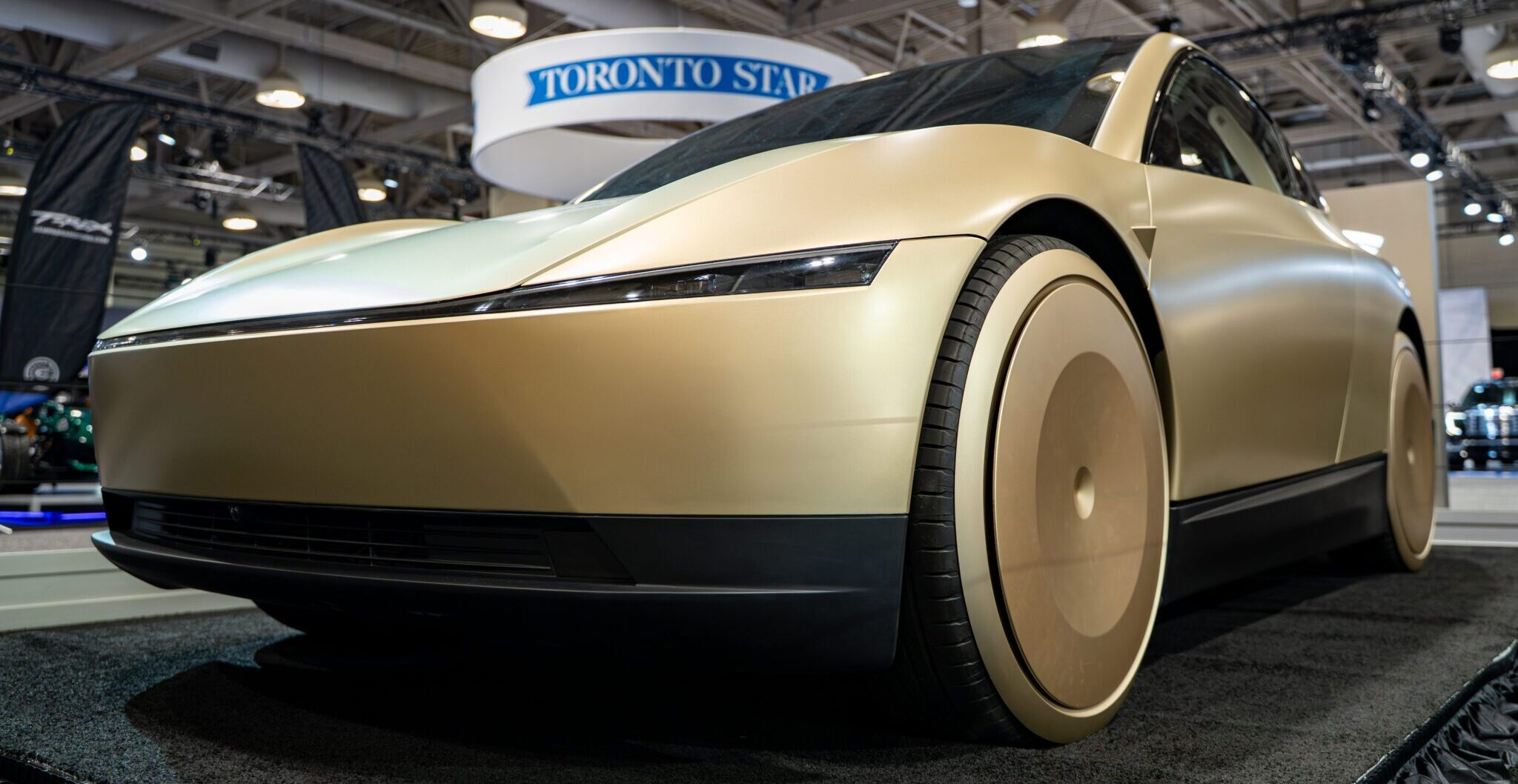
Tesla preps Cybercab’s Austin launch as soon as this month
Tesla has reportedly told employees it is preparing to launch Cybercab to the public in Austin as soon as this month, beginning with rides for staff on public roads before incorporating the vehicle into its Robotaxi service mere days later. The purpose-built, two-seat vehicle, which has no steering wheel or pedals, is central to Chief Executive Elon Musk’s autonomous driving ambitions, although as with all things Tesla the timeline could shift easily.
According to a new report by The Information, Tesla has spent recent weeks preparing for the launch, including test driving on public roads, offering employee rides on private roads around its Austin campus, and completing emergency-response training with the city’s first responders. Musk had told investors in July that Cybercab’s new platform requires Tesla to “accumulate driving data that is specific to the Cybercab before we can put a lot of them on the road.” His caveat, one of many recent which indicate a greater deal of contrition than is typical for Musk’s robotaxi commentary, leaves the exact launch date uncertain even as internal preparations continue.
That the Cybercab could be made available to paying customers in Texas is noteworthy, if only for the regulatory environment underpinning it. Texas allows autonomous vehicles operating at SAE Level 4 or higher to dispense with a steering wheel and pedals under a permissive self-certification model. This effectively lets Tesla run Cybercabs in Austin without the US National Highway Traffic Safety Administration (NHTSA) clearance larger-scale deployment would otherwise require.
The automaker has not secured the equivalent Federal Motor Vehicle Safety Standards Part 555 exemption that would let it charge passengers commercially at scale or expand freely beyond Texas. Nevada regulators previously capped Tesla’s requested rollout there at just ten vehicles.
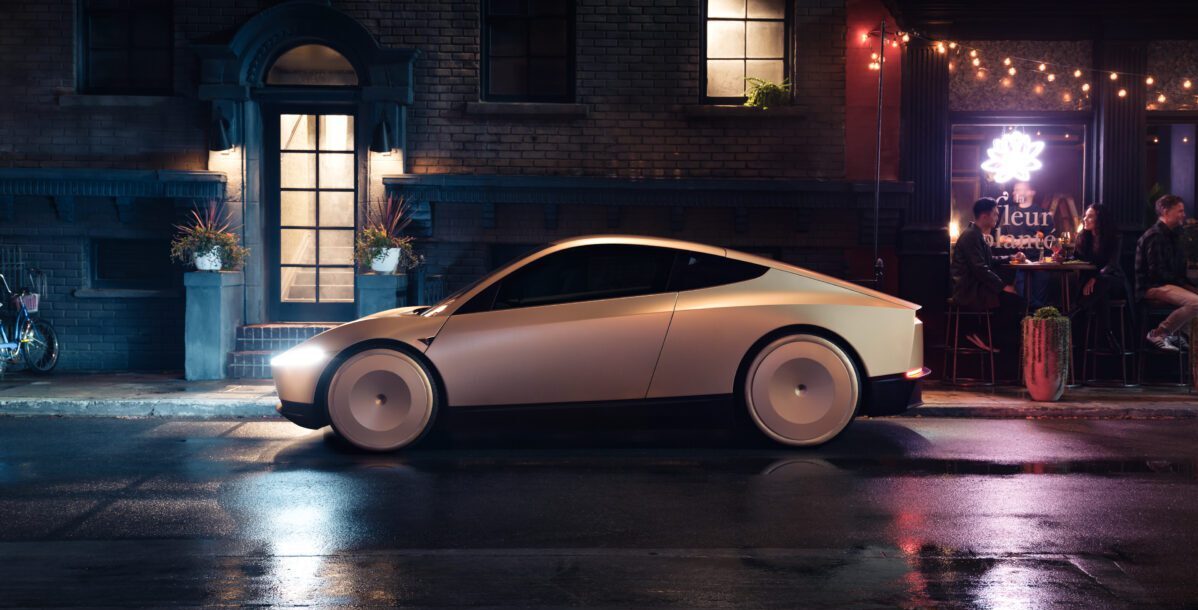
Tesla’s Cybercab eschews manual controls entirely, but is not legally permitted to operate on US roads
Amazon-backed Zoox, by contrast, has already closed that federal gap. Zoox secured its own Part 555 exemption from NHTSA in July, permitting up to 2,500 steering-wheel-less vehicles annually for a total of 5,000. It also allows the Amazon-owned unit to charge passengers to use its vehicles, which it began to do in Las Vegas the following month. As Tesla prepares for its own rollout, it lacks this regulatory support.
More so than any meaningful leap in Cybercab’s technological capabilities, the Austin launch arguably follows a playbook for Tesla that is now very familiar. Employee testing on private roads, followed by public employee rides and then a public rollout is precisely how Tesla launched its Austin Robotaxi hub using Model Ys. Tesla currently has 186 such models registered for the Austin service, although the number of active vehicles at any given moment tends to be far smaller. The automaker has not confirmed whether Cybercab units will replace the Model Ys outright or simply expand the existing fleet.
Regardless, Tesla is trying to generate hype around the Cybercab’s launch, in part through a public sweepstakes event tying event invitations directly to Model Y Robotaxi usage. Riders will earn one entry per completed ride between 17 and 23 August, with no cap on entries, while those without Robotaxi access can submit a handwritten mail-in entry instead. It is hard to imagine that many, if any, winners will emerge from the handwritten entrant pool. Five winners will be notified on 25 August, although Tesla has not confirmed the launch event’s date or location beyond strong indications it will take place in Austin.
The scale gap between Tesla and its counterparts remains substantial. The automaker reported accumulating roughly 380,000 driverless miles across its Robotaxi hubs as of July, against the more than 220 million Waymo has logged since launching commercial service in 2020. As such, Cybercab’s public debut arrives well before Tesla has built anything close to the operational track record regulators have used elsewhere to justify broader approval.
Tesla’s capital expenditure more than doubled year-on-year to nearly US$5.8bn during Q2 2026, driven largely by AI and autonomy spending, as Musk continues arguing that investors should value Tesla well beyond its role as an automaker. Such expenditures might signal a high level of confidence about Cybercab and the automaker’s broader self-driving ambitions, but its reluctance to match those investments with an equivalent effort for regulatory clearance is arguably more instructive.
AP by OMG
Asian-Promotions.com |
Buy More, Pay Less | Anywhere in Asia
Shop Smarter on AP Today | FREE Product Samples, Latest
Discounts, Deals, Coupon Codes & Promotions | Direct Brand Updates every
second | Every Shopper’s Dream!
Asian-Promotions.com or AP lets you buy more and pay less
anywhere in Asia. Shop Smarter on AP Today. Sign-up for FREE Product Samples,
Latest Discounts, Deals, Coupon Codes & Promotions. With Direct Brand
Updates every second, AP is Every Shopper’s Dream come true! Stretch your
dollar now with AP. Start saving today!
Originally posted on: https://www.automotiveworld.com/news/tesla-preps-cybercabs-austin-launch-as-soon-as-this-month/