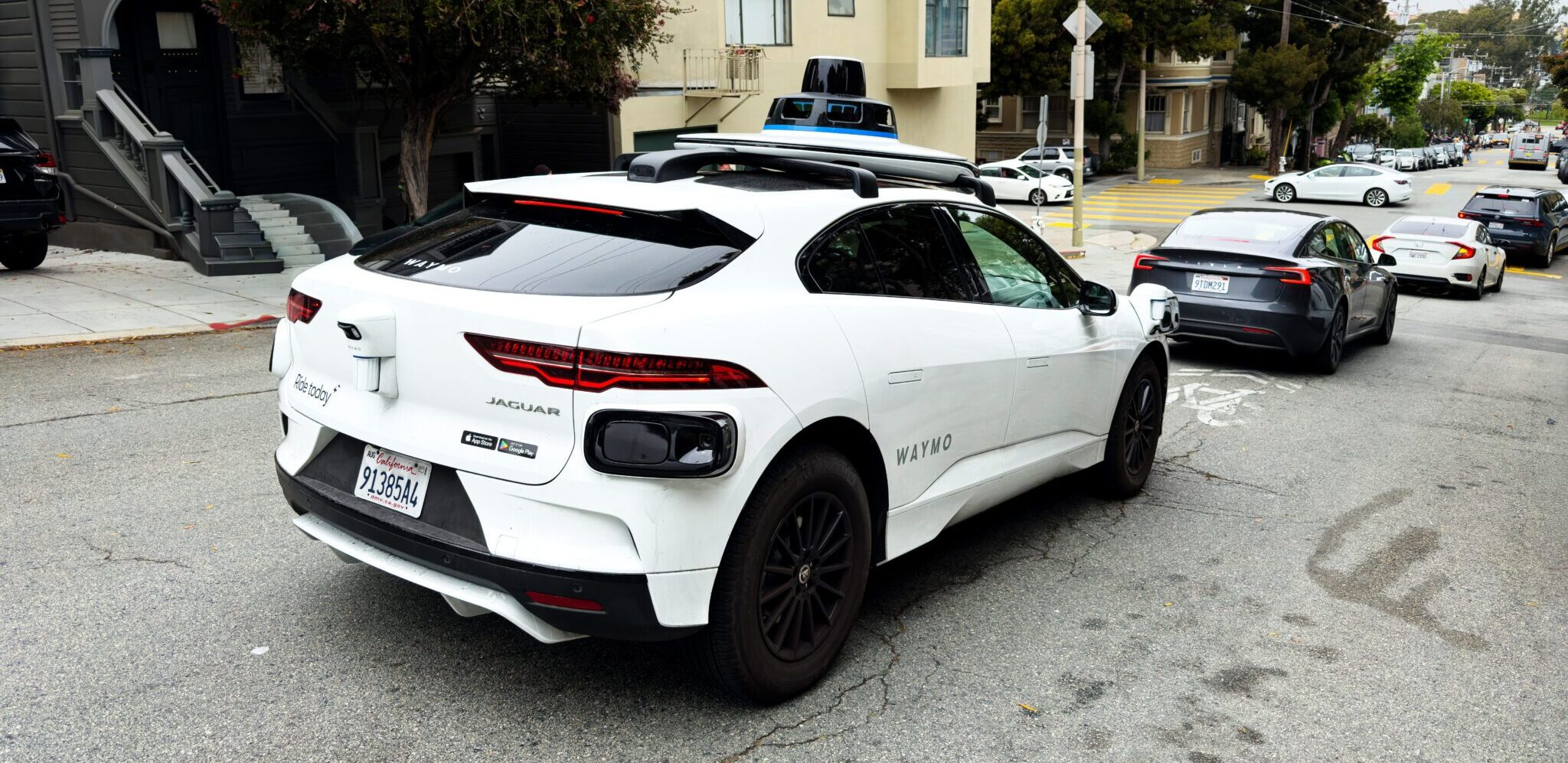
Uber confirms end of tie-up with Waymo as rivalry heats up
Waymo is exploring a full exit from its Uber partnership, having notified the ride-hailing group it plans to launch its own app in Austin and Atlanta from January 2028—ending its exclusivity in both cities. The Alphabet robotaxi unit had already ended a more limited Phoenix arrangement with Uber in May.
The two companies first partnered in May 2023 to launch robotaxis in Phoenix, later extending the same deal in 2025 to cover Austin and Atlanta, where Uber manages the vehicle fleet with partner Avomo. Separation will be gradual: Waymo’s existing cars will remain available through the Uber app in both cities until at least May 2028, when the current contract expires. However, independent deployment plans for these markets will likely proceed before the expiration.
Grievances on both sides have been accumulating for some time now. Waymo has pinned the blame for a May incident, in which dozens of its empty vehicles clogged an Atlanta cul-de-sac, directly on Uber’s routing technology. Uber’s complaints are broader and more numerous, including unsustainable deal economics, frequent weather-related unavailability and safety concerns, including Waymo vehicles illegally passing stopped school buses in Austin and striking a child during school drop-off hours.
Waymo’s safety record around school districts has prompted multiple investigations, both by the National Highway Traffic Safety Administration and the National Transportation Safety Board, as well as a voluntary Waymo software recall. The company rejected pressure from schools to cease operations in these areas during school pick-up and drop-off hours, emphasising its technology remains far safer than a human. In its defence, IIHS research from earlier in July appears to validate this claim, drawing the conclusion Waymo robotaxis are 68% less likely to crash.
Investors appear to have read the split as far more damaging to Uber than to Alphabet. Following the news, first reported by Financial Times and subsequently confirmed to Bloomberg by Uber, the ride-hailing platform’s shares fell 4.3% to US$65.94, their lowest level in more than a year and part of a roughly one-fifth decline so far this year. Meanwhile, Alphabet’s stock moved less than 1%.
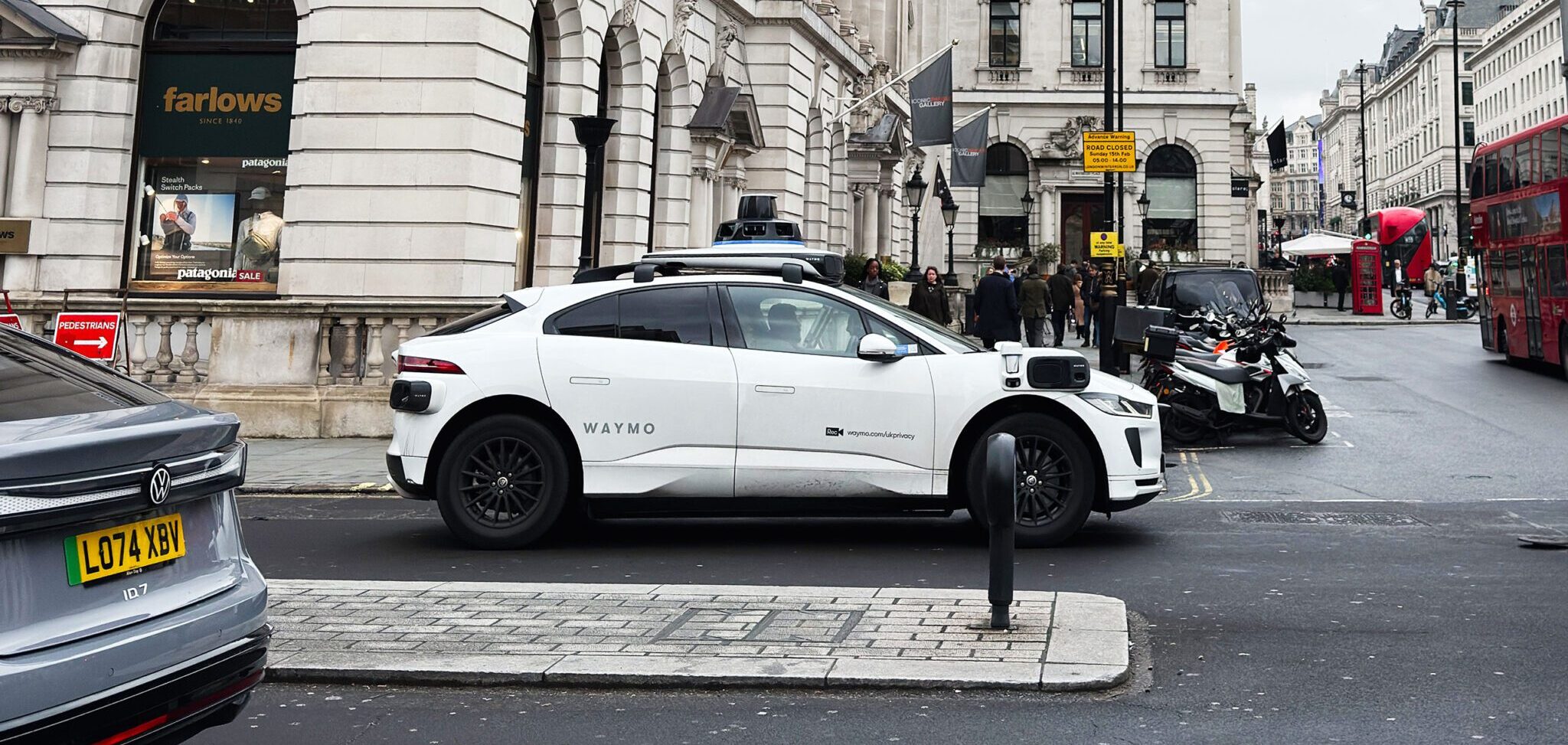
The London tee-off will test whether Waymo’s go-it-alone strategy can survive against Uber’s established local presence
Beneath the operational disputes sits a regulatory fight over how autonomous rides get distributed at all. Uber has lobbied for “hybrid network” rules, including a New Jersey proposal requiring human drivers to provide at least 85% of rides during a three-year pilot. Industry observers have noted that this appears to force dedicated-app operators like Tesla, Waymo and Zoox onto third-party platforms. Waymo, for its part, backs higher permitting costs that raise the bar for smaller autonomous driving operators, many of which rely on Uber for distribution.
The split undercuts the logic behind Uber’s own autonomous vehicle strategy, built on US$10bn committed from 2025 onwards. The company has more than a dozen robotaxi partnerships globally, generally in equity stakes, and its fleet deals span companies including Avride, Lucid, Nuro, Pony.ai, WeRide, Momenta, Volkswagen and Rivian. None of these currently have operations comparable in scale to Waymo’s 4,000-strong fleet across ten US cities; indeed, some have yet to deploy any kind of commercial service.
Uber’s aggregator thesis assumed it would remain the default connective layer between riders and whichever company built the best autonomous vehicle. It would function as the necessary go-to for robotaxi firms looking to deploy, extracting a hefty cut for distribution. The sheer fact of Waymo’s departure from this arrangement changes the calculus for every self-driving partner Uber has yet to sign.
While the companies wind down their operations across the three cities in which they deployed, London is emerging as the cleanest test of the two rival models now on offer. Waymo is entering the market later in 2026 entirely outside Uber, launching its own app with UK fleet operator Moove, while Uber is countering with a partnership structure of its own. Set to debut ahead of Waymo with some government support, the ride-hailing platform will, as usual, take on fleet ownership, dispatch and maintenance, while local start-up Wayve supplies the driving software.
That divide effectively splits the robotaxi industry into two camps: vertically integrated operators like Waymo, Zoox and Tesla that keep the customer relationship and full fare revenue in exchange for owning fleet utilisation risk outright; and an open distribution layer, led by Uber, aimed at self-driving firms which lack the balance sheet or local expertise to build consumer networks of their own. It is noteworthy that Waymo recently launched a monthly subscription model—Waymo Premier—intended to foster heavy usage of its app in precisely the same manner that Uber One does.
The Uber-Waymo split appears to confirm that the industry’s early ‘bridge partnership’ phase, wherein self-driving players traded their software access in exchange for ready-made ride demand, is closing exactly as its strongest player concludes it no longer needs the trade. Uber’s deeper risk is not losing Waymo’s vehicle supply but rather the habit of riders opening its app first, something which erodes the moment a legitimate alternative for robotaxi services becomes available.
AP by OMG
Asian-Promotions.com |
Buy More, Pay Less | Anywhere in Asia
Shop Smarter on AP Today | FREE Product Samples, Latest
Discounts, Deals, Coupon Codes & Promotions | Direct Brand Updates every
second | Every Shopper’s Dream!
Asian-Promotions.com or AP lets you buy more and pay less
anywhere in Asia. Shop Smarter on AP Today. Sign-up for FREE Product Samples,
Latest Discounts, Deals, Coupon Codes & Promotions. With Direct Brand
Updates every second, AP is Every Shopper’s Dream come true! Stretch your
dollar now with AP. Start saving today!
Originally posted on: https://www.automotiveworld.com/news/uber-confirms-end-of-tie-up-with-waymo-as-rivalry-heats-up/