Zoox smoke-detection recall lands amid NHTSA crackdown
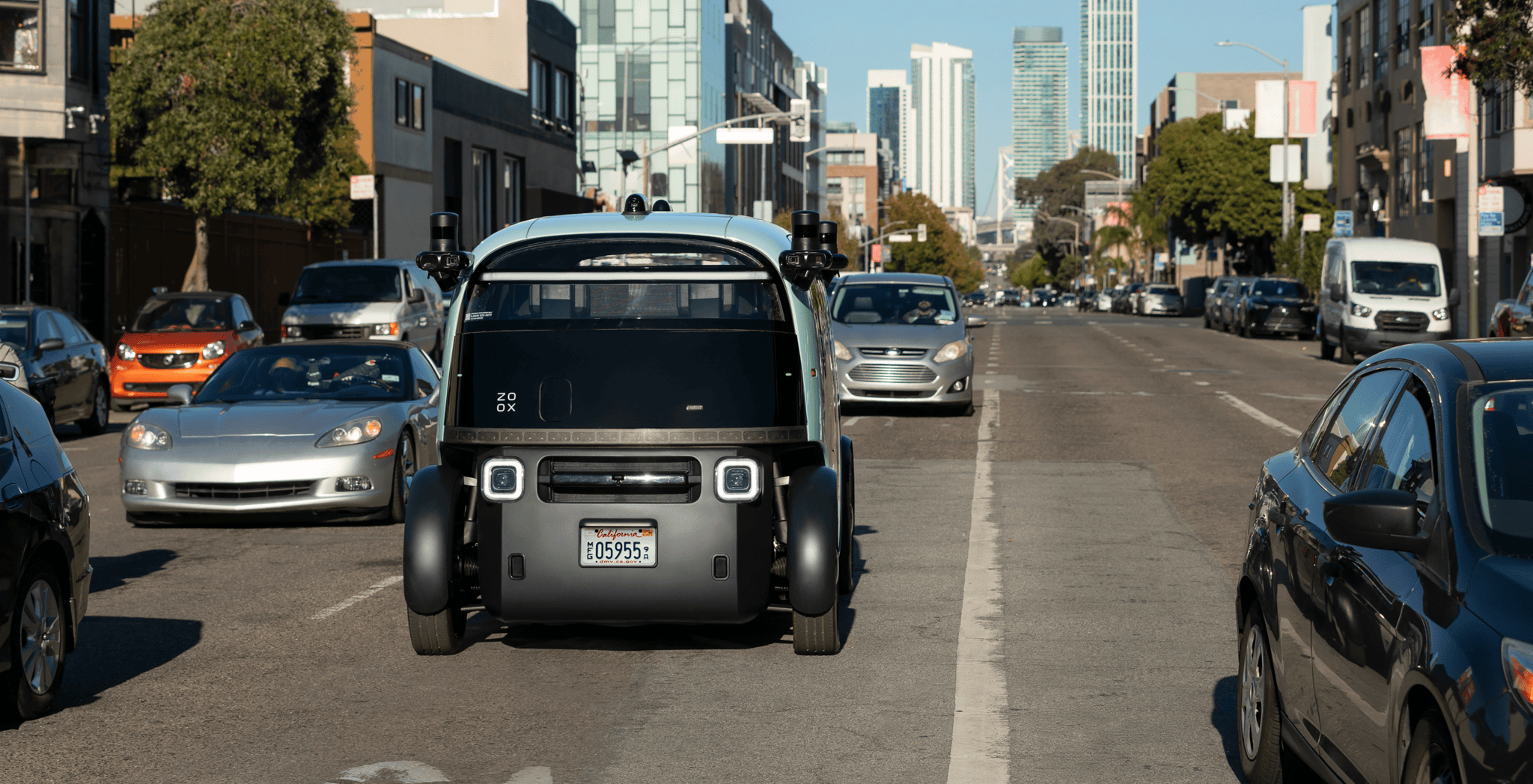
Zoox has recalled its entire fleet of 105 robotaxis after one of its driverless vehicles drove into an active fire scene in Las Vegas on 20 June, unable to detect the heavy smoke obscuring the area. The latest in a string of incidents involving self-driving cars disrupting first responder operations, the incident comes ahead of an end-July deadline by the National Highway Traffic Safety Administration (NHTSA) to address such issues.
The Zoox fire scene incident was a one-off for the Amazon-owned self-driving firm and comes down to sensors failing to detect smoke adequately. Eventually the vehicle did, braking hard while trying to steer away, before coming to a stop inside the emergency scene. It subsequently had to be reversed out remotely by teleoperators before firefighters could place traffic cones to close off two of the three lanes.
Zoox notified NHTSA of the incident on 25 June, as required under the Automated Vehicle Exemption Program which governs its unoccupied and wheel-less vehicles, then spent roughly two weeks investigating the root cause before issuing an over-the-air software update to improve smoke and low-visibility detection. The company’s own filing characterised it as “the only event of this kind that Zoox has experienced.” In a statement to local media, a spokesperson added: “Safety is foundational at Zoox […] We value our work with first responders, city officials, and regulators to continue to ensure we’re driving safely in the communities we serve.”
The timing of the recall escalates it beyond a routine software fix. Earlier in July, NHTSA Administrator Jonathan Morrison had written to autonomous vehicle developers demanding they address a “clear pattern” of driverless cars interfering with emergency response operations. He cited documented cases of multiple operators’ vehicles blocking ambulances and fire trucks or failing to recognise flashing lights, flares, smoke and traffic cones.
Morrison’s letter termed the failure “a functional insufficiency” rather than an edge case, and while it did not name any specific companies, NHTSA incident reports reveal that virtually all self-driving firms operating in the US have experienced some form of functional issue involving first responders. He gave developers until the end of the month to present solutions.
Many of these incidents can be traced to Waymo, if only by virtue that it is the US’ largest robotaxi operator at roughly 4,000 vehicles. In June, the Alphabet unit recalled its fleet over construction-zone incidents and faces separate investigations into vehicles passing stopped school buses and a January collision in which one of its cars struck a child near an elementary school.
Zoox’s smoke-detection failure gives NHTSA a second, distinct example of the same underlying category of problem: unstructured emergency or otherwise unsafe environments which current perception systems struggle to interpret reliably. Thus, the agency’s argument that this is a system issue not confined to any one company’s software has been steadily reinforced over time.
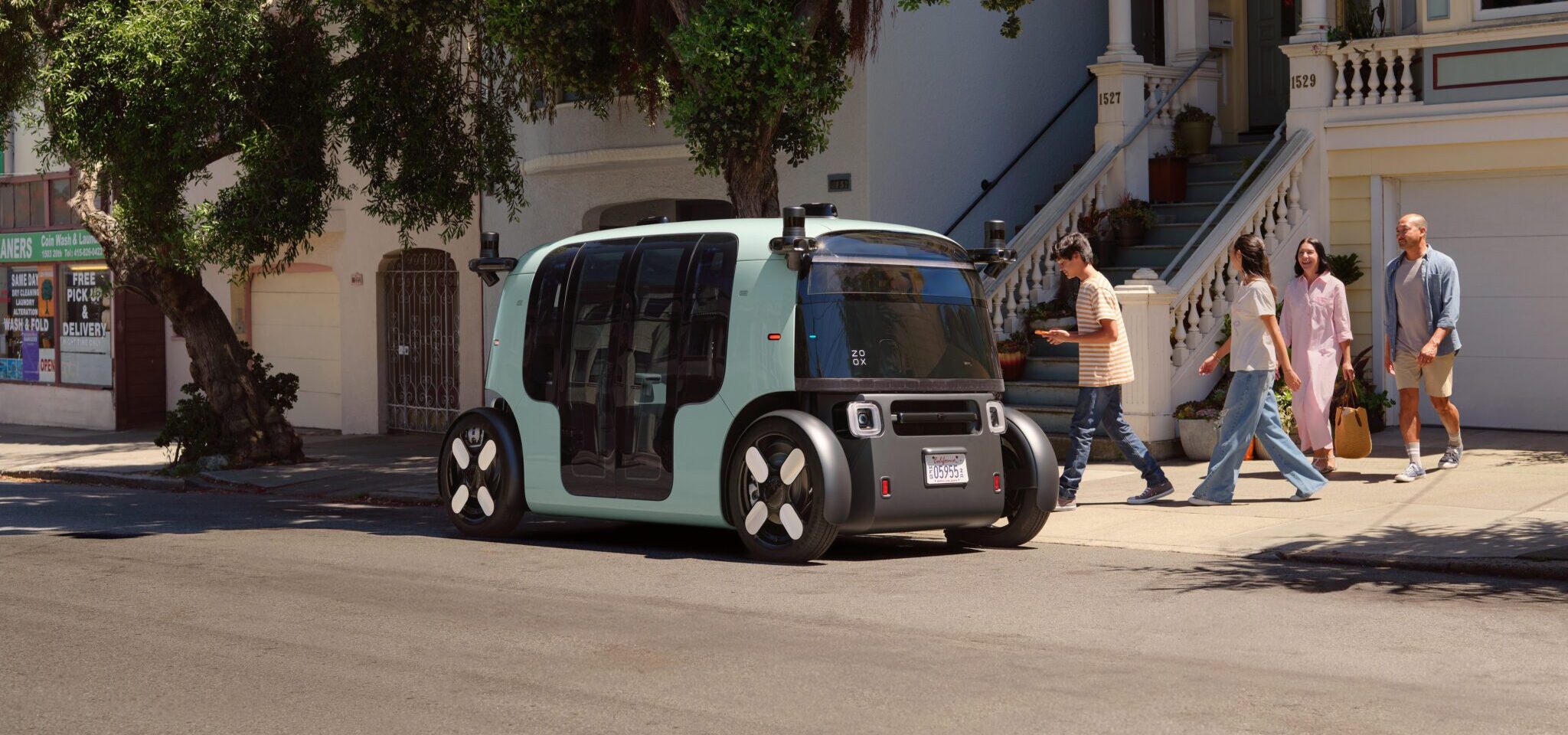
Zoox’s position within that scrutiny is complicated by how much its commercial future depends on NHTSA’s goodwill. Its bi-directional, steering-wheel-free pods have no manual controls at all, meaning the company operates entirely under a temporary federal exemption while it awaits approval to convert its free Las Vegas rides—totalling more than 500,000 to date—into a paid service. The firm is also planning expansions to Austin and Miami, as well as a fourfold expansion of its San Francisco coverage area later in 2026.
At the same time, NHTSA is actively working to build a regulatory framework that would make it possible for Zoox to deploy such vehicles without a special exemption. In practice this will likely mean stripping down equipment requirements—including brake pedals, mirrors and windshield wipers—and moving toward performance-based rules.
Easing hardware requirements while emergency-response failures are actively piling up, however, does create an obvious structural tension. The more NHTSA relaxes design rules for wheel-less vehicles, the more its behavioural competency standards need to prove those vehicles can still handle situations like a smoke-filled fire scene, which a human driver would navigate by instinct.
Zoox’s swift, contained response—one incident, one software fix, one company-initiated recall—is likely to be held up as the model NHTSA wants other operators to follow in the coming weeks. Whether that reputational contrast translates into faster movement on Zoox’s paid-ride exemption, still pending, will be one of the clearer early signals of how much goodwill a clean recall actually buys with US regulators.
AP by OMG
Asian-Promotions.com |
Buy More, Pay Less | Anywhere in Asia
Shop Smarter on AP Today | FREE Product Samples, Latest
Discounts, Deals, Coupon Codes & Promotions | Direct Brand Updates every
second | Every Shopper’s Dream!
Asian-Promotions.com or AP lets you buy more and pay less
anywhere in Asia. Shop Smarter on AP Today. Sign-up for FREE Product Samples,
Latest Discounts, Deals, Coupon Codes & Promotions. With Direct Brand
Updates every second, AP is Every Shopper’s Dream come true! Stretch your
dollar now with AP. Start saving today!
Originally posted on: https://www.automotiveworld.com/news/zoox-smoke-detection-recall-lands-amid-nhtsa-crackdown/