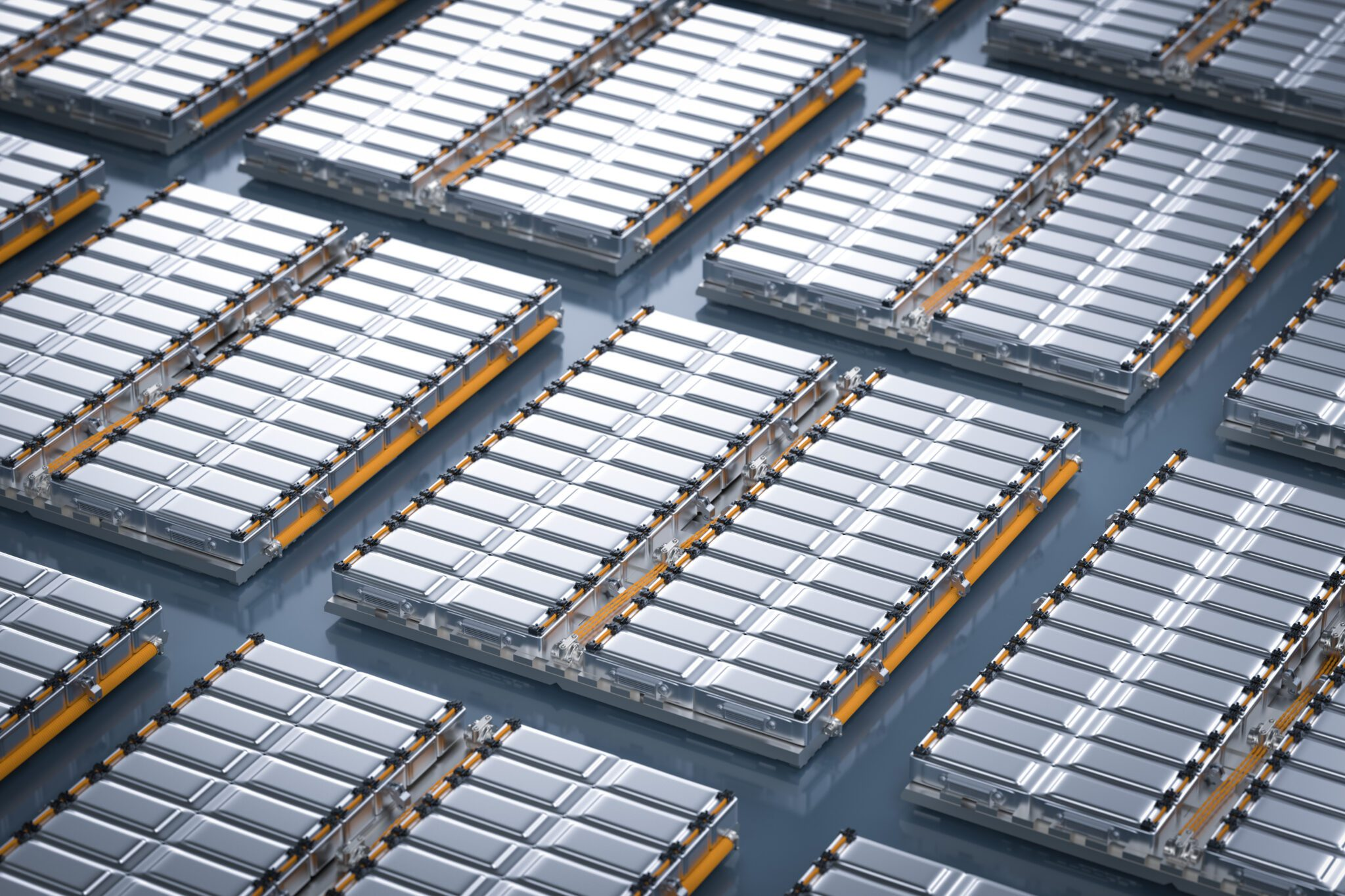
CATL and BYD’s battery growth pulls in opposite directions
Global demand for electric vehicle, hybrid and plug-in hybrid batteries grew by 20% year-on-year in the first half of 2026 to 608.5 GWh, according to SNE Research, although that pace has slowed from 2025’s 31.7% full-year growth. Beneath that headline figure, the market has become more concentrated: seven Chinese manufacturers now control 72.4% of global supply between them, up 1.5% YoY, even as the country’s two biggest players, CATL and BYD, are pulling in sharply opposite directions.
CATL alone delivered 242.7 GWh in H1 2026—up 25.3% YoY—lifting its global market share from 38.2% to 39.9% and comfortably outpacing the broader market. As an independent supplier with no automotive brand of its own to favour, CATL captures share regardless of which automaker wins any given segment. Its third-generation Shenxing fast-charging lithium-iron-phosphate (LFP) battery has kept it competitive across both mass-market and premium vehicle lines worldwide.
The second largest player is BYD, and by contrast it grew just 1.6% to 87.7 GWh. Its global share fell by 2.6% to 14.4%, the weakest performance among any major Chinese supplier. The gap traces in no small part to BYD’s own second-generation Blade Battery, capable of ultra-fasting charging from 10% to 97% in as little as nine minutes.
However, the changeover has created such severe internal shortages that the company has dispatched staff to manufacturing bases in Shaanxi and Anhui simply to clear delivery backlogs for its own Fang Cheng Bao, Denza, Yangwang and core BYD models, leaving almost nothing to sell externally despite ongoing interest from third parties. BYD counts Tesla, Kia, Toyota and Mercedes-Benz among its global customer base for first-generation Blade batteries.
Still, rival automakers have reason to be wary of choosing BYD over its Chinese counterparts. By choosing BYD as their supplier, they are effectively funding a direct competitor’s battery scale, and many instead turn to independent specialists such as CATL, CALB or EVE. BYD was the world’s largest seller of EVs in 2025, besting Tesla; when its total vehicle sales are factored in it also outsold Ford. This dynamic may keep the second-generation Blade Battery confined largely to BYD’s own vehicles even once its internal shortages ease.
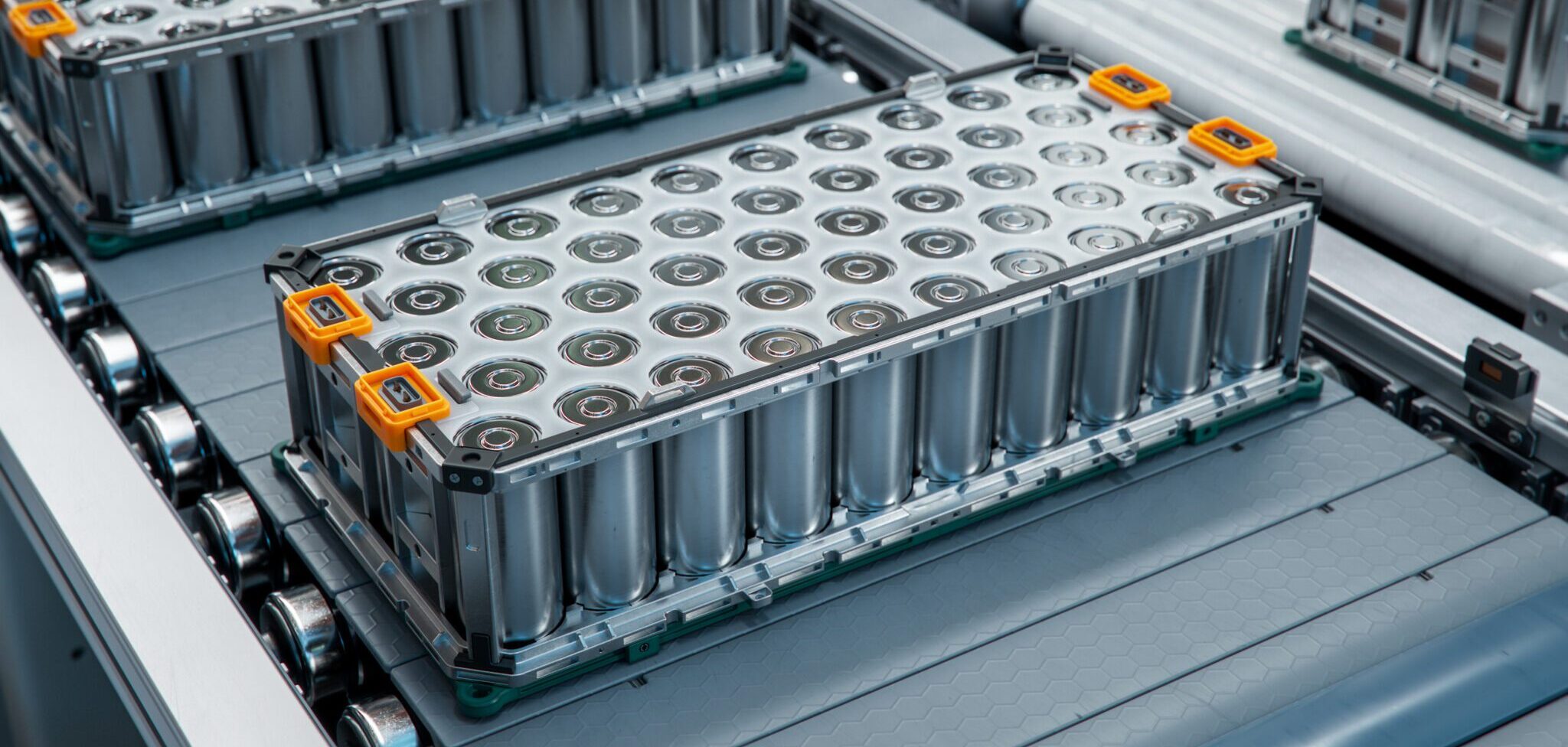
The gap left by BYD is being filled by China’s mid-tier suppliers rather than by anyone outside the country. CALB grew by 39.5% to 31.2 GWh, Gotion by 43.3% to 28.0 GWh, EVE by 51.7% to 20.9 GWh, and SVOLT 40.9% to 15.7 GWh. Each of them comfortably outpaced the broader market’s 20% growth rate. Together with Sunwoda, the five now hold an 18.1% combined share of the global market. This is built on cost-competitive LFP cells sold to Western and domestic automakers looking for alternatives to both CATL and BYD.
South Korean and Japanese suppliers are growing in absolute terms but losing ground in relative ones. LG Energy Solution rose 8.4% to 52.6 GWh, yet its share slipped from 9.6% to 8.6%; Panasonic grew 10.2% to 22.7 GWh but fell from 4.1% to 3.7%; and SK On’s volumes fell 6.7% outright, taking its share from 4.0% to 3.1%. Their continued reliance on nickel-rich chemistries, against the LFP cost advantage Chinese suppliers have scaled around, layers a structural disadvantage. That, of course, comes on top of the wavering commitments and volatile production plans of Western automakers like Ford and Volkswagen.
A regulatory shift now approaching in Europe threatens to complicate this picture further for smaller exporters of any nationality. The EU’s Battery Passport becomes mandatory in February 2027, requiring plant-specific carbon footprint declarations, verified sourcing for materials like lithium and cobalt, and minimum recycled-content thresholds.
All of this favours manufacturers with the capital to build European factories and compliance systems, such as CATL’s plants in Germany and Hungary, over smaller Chinese exporters currently competing mainly on price. A third CATL plant in Spain, costing around €4.1bn (US$4.7bn) is currently under construction; it should be noted that Gotion has been able to push through with a smaller project in Spain costing around €950m, although this focuses primarily on recycling and battery materials.
Ultimately, the global battery market continues to consolidate around Chinese manufacturers, which now supply nearly three-quarters of the world’s batteries. Within the Chinese cohort, CATL continues to dominate while smaller players rapidly increase their market shares. BYD’s fortunes remain an open question: whether it can recapture a growth rate that matches those of its peers not tethered to a primary business making and selling cars will become more clear once Blade battery supply fully stabilises.
AP by OMG
Asian-Promotions.com |
Buy More, Pay Less | Anywhere in Asia
Shop Smarter on AP Today | FREE Product Samples, Latest
Discounts, Deals, Coupon Codes & Promotions | Direct Brand Updates every
second | Every Shopper’s Dream!
Asian-Promotions.com or AP lets you buy more and pay less
anywhere in Asia. Shop Smarter on AP Today. Sign-up for FREE Product Samples,
Latest Discounts, Deals, Coupon Codes & Promotions. With Direct Brand
Updates every second, AP is Every Shopper’s Dream come true! Stretch your
dollar now with AP. Start saving today!
Originally posted on: https://www.automotiveworld.com/news/catl-and-byds-battery-growth-pulls-in-opposite-directions/