Ford-Geely Spain factory deal formalised after months
Geely has confirmed it will take over part of Ford’s Almussafes plant near Valencia, building vehicles on an idle assembly line at a factory that has been running at less than a quarter of its capacity. Spanish Prime Minister Pedro Sanchez is due to announce the arrangement in person on Thursday, according to people familiar with the matter cited by Bloomberg.
The confirmation caps months of incremental speculation without a clear confirmation from either party. Reuters first reported back in February that Geely and Ford were discussing a partnership to share technology and manufacturing costs. Then, in May, Spanish outlet La Tribuna de Automoción went further, reporting that Geely would specifically take over the plant’s Body 3 line to build an new energy vehicle based on its GEA platform.
The car in question is expected to be a European version of the Geely EX2, sold in China as the Xingyuan, which is offered in hybrid, plug-in hybrid and battery-electric configurations. Almussafes was once Ford’s largest plant outside the US, with an annual capacity of up to 450,000 vehicles, but it has been running well below a quarter of that since older models like the Mondeo and Galaxy were discontinued.
Ford has separately proposed laying off 1,622 workers at the site; whether these plans remain under discussion, having found use for some of its spare capacity, remains to be seen. The two automakers already have a well-established history: Geely bought Volvo Cars from Ford 16 years ago. The move was among the first substantial acquisitions of a Western automotive brand by a Chinese automaker, although SAIC was arguably the first mover when it scooped up MG in 2007.
For Geely, the gains are clear. Building locally lets it classify the cars as EU-made, dodging countervailing tariffs of 18.1% on top of the standard 10% import duty on Chinese-built electric vehicles (EVs), while also reaching the market years earlier than a greenfield plant would allow. Establishing a greater European manufacturing presence—granted, it also operates two plants in Sweden and Belgium through Volvo Cars—would presumably also offer protection against likely-upcoming ‘Made in Europe’ content requirements.
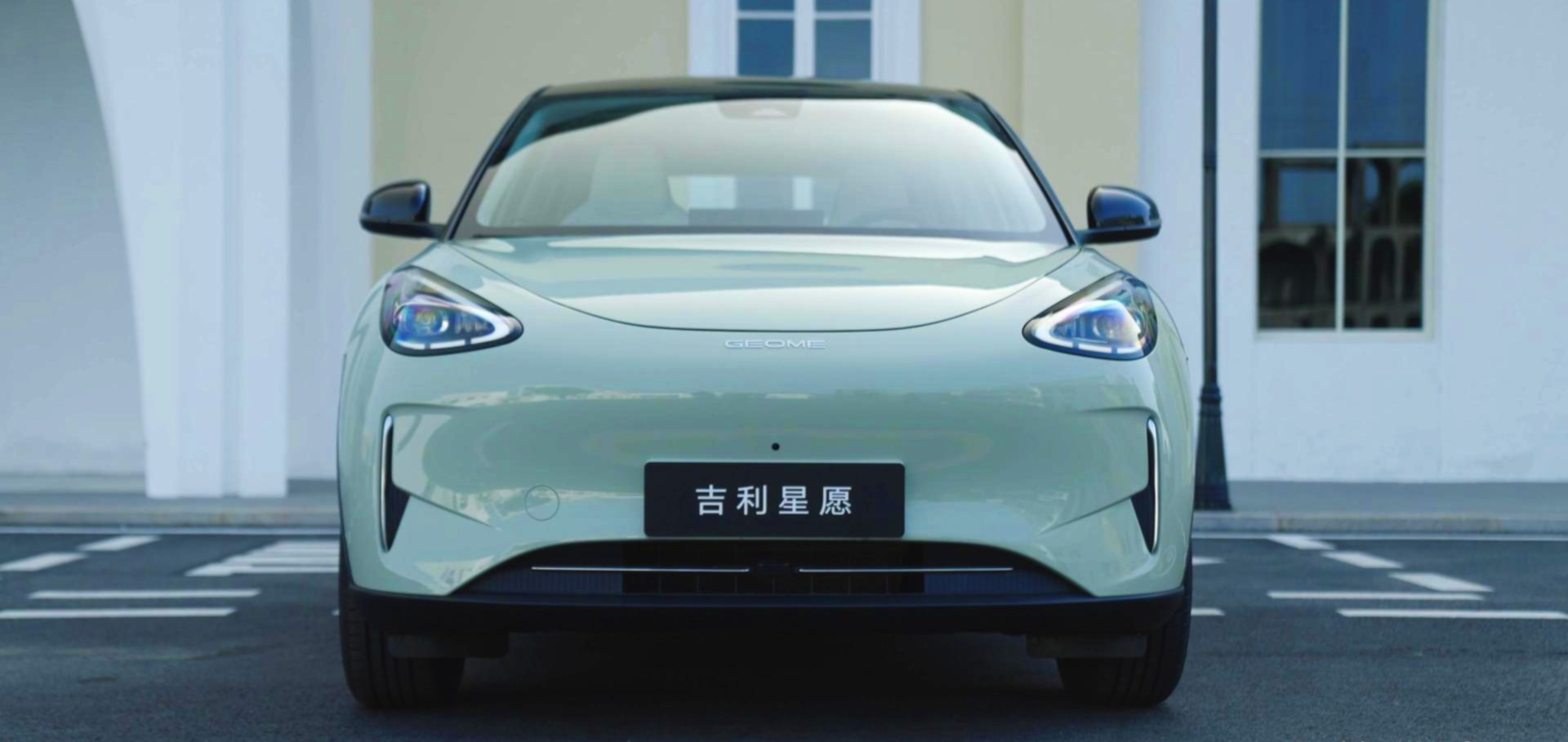
Geely is expected to produce the X2, also known as the Xingyuan, on the Spanish line
Ford’s gains are just as direct: an idle line is a liability rather than an asset, and leasing it to Geely turns a restructuring cost into revenue while opening a route to co-developing cheaper hybrid and EV models using Geely’s GEA architecture. Ford Chief Executive Jim Farley has a long history of both sounding the alarm on Chinese competition and extolling the benefits of partnering with them.
Separate reporting emerged the same month the Ford-Geely tie-up first broke, indicating that the former also wanted to establish a US joint venture with Xiaomi for EV development and production. Both parties vehemently denied this, and nothing has emerged in the intervening time.
The deal fits a wider pattern of Chinese automakers choosing to buy their way into existing European capacity—particularly in Spain—rather than building fresh plants, precisely because brownfield sites arrive with grid connections, permits and labour already in place. Chery and Spanish brand Ebro have already revived a former Nissan factory in Barcelona that now employs more than 1,500 people; BAIC is preparing to build off-road vehicles under the Santana name in Andalusia; and Stellantis and CATL are building a €4.1bn (US$4.7bn) battery plant in Zaragoza due to open in 2028. Spain is positioning itself as a willing host for this wave.
The same logic is now playing out among Geely’s rivals: BYD is close to choosing a second European plant, weighing Stellantis sites in Spain and France as it ramps production in Hungary and its Turkish project remains on hold. Meanwhile Xpeng is in talks with Volkswagen over acquiring a factory outright, having outgrown its contract manufacturing deal with Magna Steyr in Graz. However, its reliance on large-scale die-casting might make it easier to start from scratch instead of retrofitting a legacy plant designed for combustion engines.
What the Almussafes deal really confirms is a change in Ford’s role: it is not merely tolerating a Chinese rival’s expansion into Europe, it is actively sharing capacity with one. An idle factory has become more valuable as someone else’s asset than as Ford’s own.
AP by OMG
Asian-Promotions.com |
Buy More, Pay Less | Anywhere in Asia
Shop Smarter on AP Today | FREE Product Samples, Latest
Discounts, Deals, Coupon Codes & Promotions | Direct Brand Updates every
second | Every Shopper’s Dream!
Asian-Promotions.com or AP lets you buy more and pay less
anywhere in Asia. Shop Smarter on AP Today. Sign-up for FREE Product Samples,
Latest Discounts, Deals, Coupon Codes & Promotions. With Direct Brand
Updates every second, AP is Every Shopper’s Dream come true! Stretch your
dollar now with AP. Start saving today!
Originally posted on: https://www.automotiveworld.com/news/ford-geely-spain-factory-deal-formalised-after-months/