Range Rover launches its first BEV at a £50,000 premium
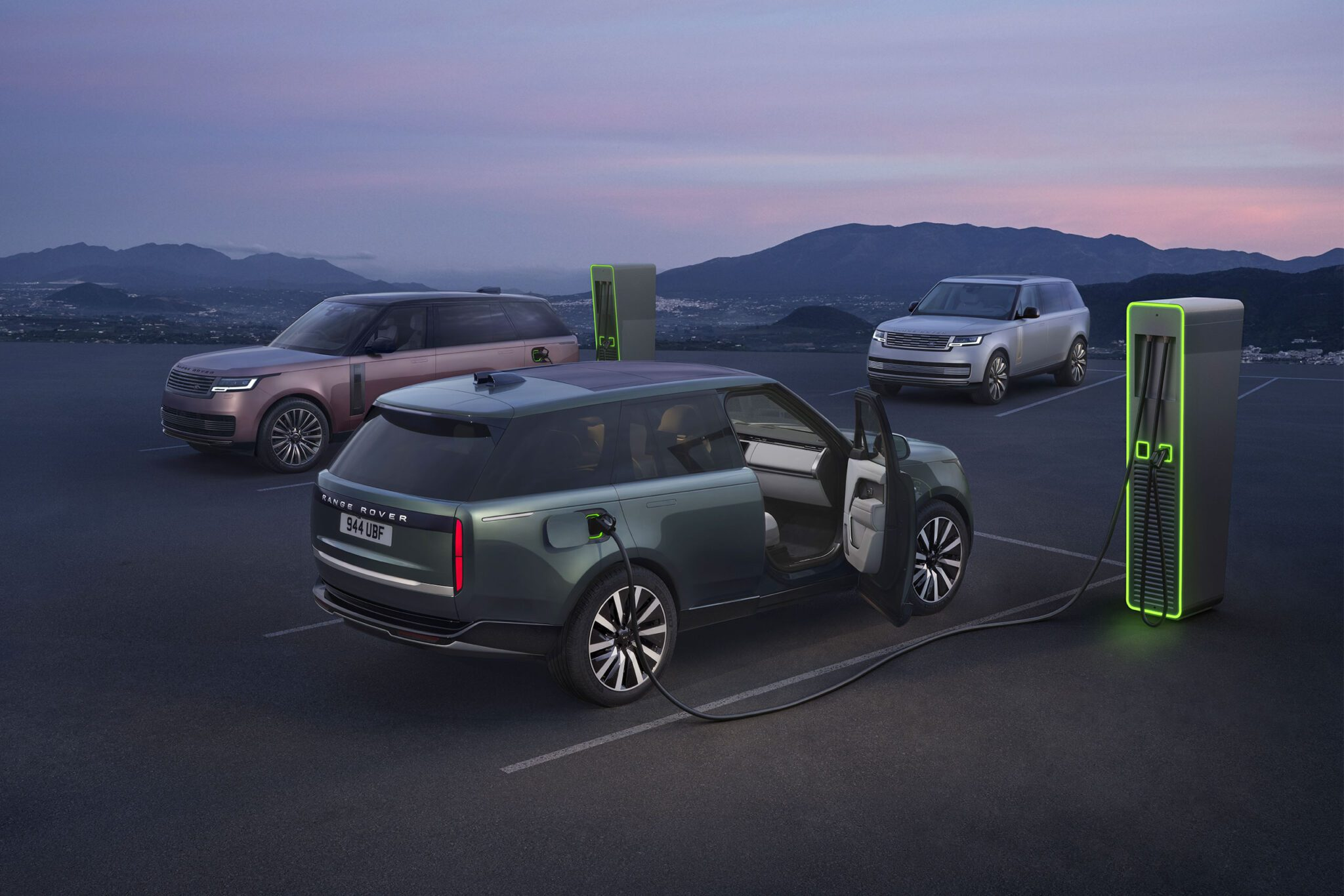
Jaguar Land Rover has launched the Range Rover Electric, the first battery-electric (BEV) model in the brand’s 56-year history, with pricing starting at £154,070 (US$208,500) in the UK and US$138,000 in the US. The SUV offers a range of up to 372 miles in UK testing, or 333 miles under the US EPA cycle, and can charge from 10% to 80% in around 22 minutes.
The pricing sits almost £50,000 above the equivalent internal combustion engine (ICE) Range Rover, positioning the Electric closer to rivals like the Bentley Bentayga and electric Mercedes G-Class than to mainstream EV competitors such as Tesla or Rivian. However, JLR appears to be betting on brand prestige over pure technical competitiveness: BMW’s iX3, for comparison, offers up to 500 miles of range for considerably less money.
That premium pricing is still accompanied by some noteworthy specifications: twin permanently-excited synchronous motors, one per axle, produce a combined 542-550 horsepower and up to 850 Nm of torque, more than any Range Rover before it, and take the SUV from zero to 60 mph in 4.3 seconds. Off-road, an Integrated Traction Management system adjusts motor speed within 50 milliseconds, roughly 100 times faster than a comparable ICE system responds to wheel slip, while a single-pedal mode allows climbs of up to 45 degrees and wading depth remains close to 900 mm.
At peak output on a 350 kW charger, the battery can add roughly 125 miles in just ten minutes. The system also supports bidirectional charging, letting the vehicle power external devices or a home. North American buyers have access to built-in NACS compatibility for Tesla’s Supercharger network, while JLR’s own app promises more than a million charging points across 29 European countries, with Plug & Charge functionality expected from 2027.
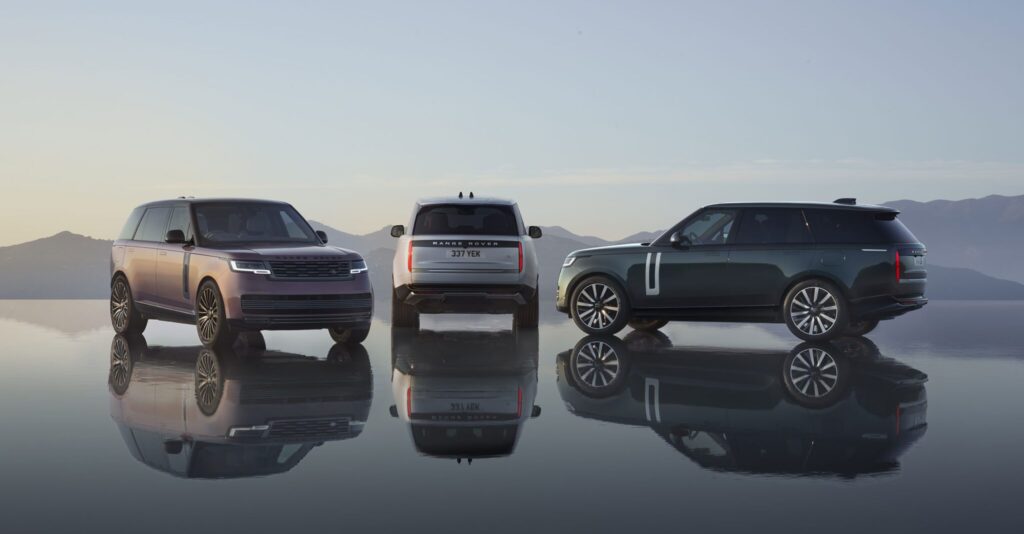
JLR is hedging against uncertain BEV demand by building the Electric on the same Solihull production lines as its combustion and hybrid siblings, letting output shift toward whichever powertrain sells better. The company has retrained 9,000 workers at the plant and a further 1,500 across the wider West Midlands. A nearby Wolverhampton facility, expanded over four years to 13 production lines, builds the battery packs and electric drive units.
The model is arriving around two years later than originally planned, delayed partly because JLR found that no existing electric motor on the market met its internal performance requirements and had to develop its own. The company’s engineers then switched the front axle from an induction motor to match the rear’s permanently-excited synchronous design partway through development. A cyberattack shut down JLR’s plants for several weeks last year, further dragging out the development timeline, as did rising US tariffs and a slump in Chinese demand.
JLR reports that more than 80,000 individuals have expressed interest in the model, 70% of whom have never owned either a Range Rover or a BEV. This indicates the launch is drawing wholly-new customers into the Range Rover brand, rather than simply converting existing customers. That some of these customers have also never owned a BEV before suggests that the model’s lack of best-in-class range and charging credentials are not strictly a barrier to entry.
The high price also sets it apart from cheaper Chinese rivals like Chery’s Jaecoo 7, often nicknamed the ‘Temu Range Rover’ for its similar styling, although the comparison is looser than it sounds. Jaecoo 7 is among the UK’s best-selling vehicles and starts around £30,000, competing with Kia, Hyundai and MG, while Range Rover and its rivals Porsche, Bentley and Mercedes sit in a different price segment entirely. Range Rover and the Jaecoo 7 drive differently and have wholly distinct approaches to software integration; in other words, the resemblance is mostly superficial, and this is reflected in their marginal overlap in consumer bases.
Ultimately, the years of waiting have culminated in a very cautious bet on electrification by JLR. Shared production lines let the automaker avoid over-committing capital to BEVs when demand has proven uneven among luxury buyers. Furthermore, pricing this far above both the ICE Range Rover and closer rivals like BMW’s iX3 is a deliberate refusal to compete on value, betting that flagship buyers will pay for the badge even when a technically superior alternative exists on paper.
AP by OMG
Asian-Promotions.com |
Buy More, Pay Less | Anywhere in Asia
Shop Smarter on AP Today | FREE Product Samples, Latest
Discounts, Deals, Coupon Codes & Promotions | Direct Brand Updates every
second | Every Shopper’s Dream!
Asian-Promotions.com or AP lets you buy more and pay less
anywhere in Asia. Shop Smarter on AP Today. Sign-up for FREE Product Samples,
Latest Discounts, Deals, Coupon Codes & Promotions. With Direct Brand
Updates every second, AP is Every Shopper’s Dream come true! Stretch your
dollar now with AP. Start saving today!
Originally posted on: https://www.automotiveworld.com/news/range-rover-goes-electric-with-550ps-twin-motor-suv/