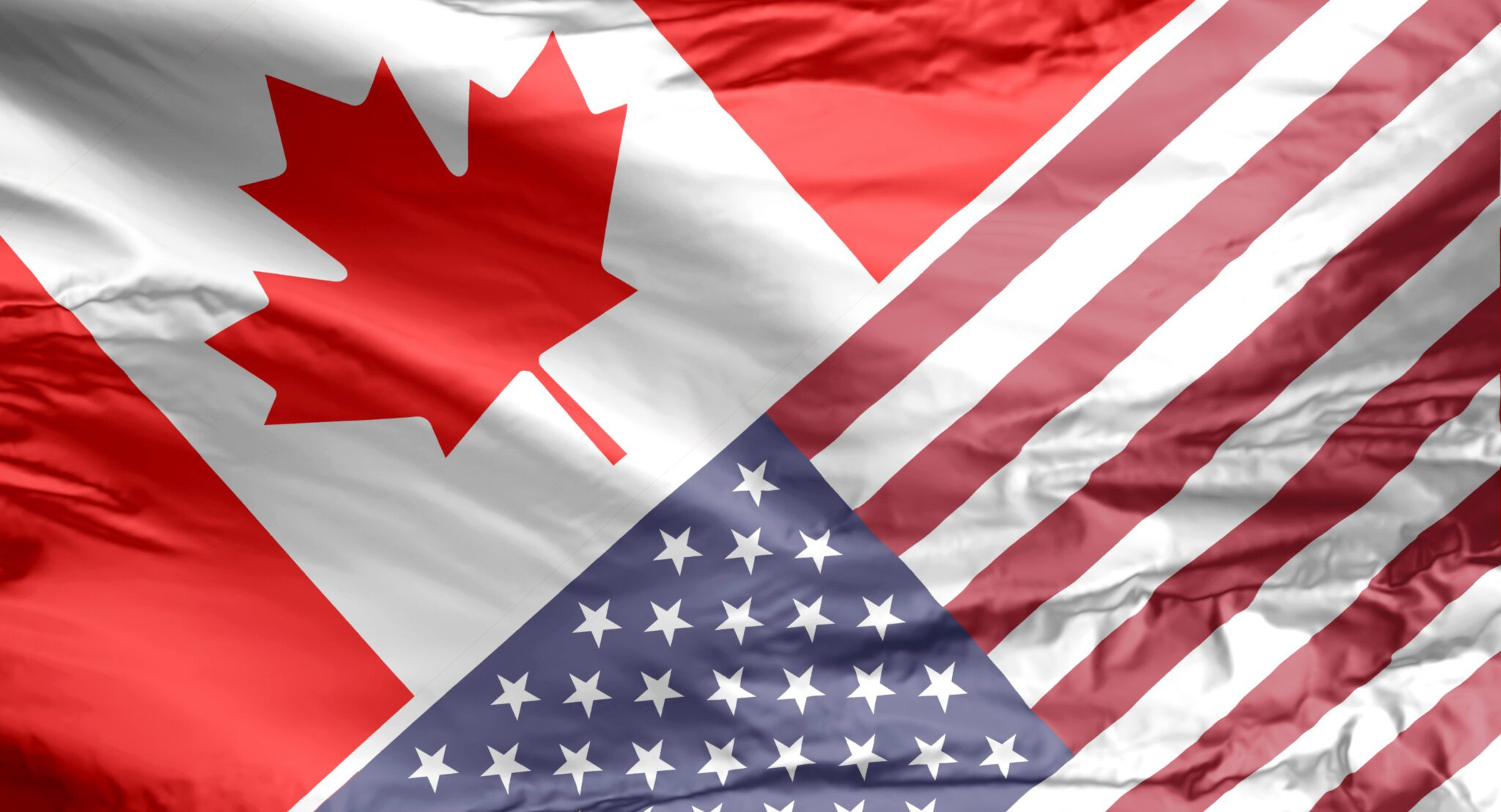
Trump set to cut Canada vehicle tariffs to 15% in trade deal
The Trump administration is preparing to cut its tariff on Canadian-made vehicles from 25% to 15%, part of a broader trade deal in which Canada would drop its remaining retaliatory measures, people familiar with the matter have told Bloomberg. The concession follows Trump’s decision on 18 August to pause separate 50% tariffs on roughly CA$28bn (US$20bn) of Canadian goods for three days—mere hours before it was due to take effect—as negotiators worked to finalise a wider agreement.
The auto tariff reduction carries an important caveat that limits its uniform benefit. Both the existing 25% rate and the prospective 15% rate apply only to the non-US content of vehicles built in Canada. The original purpose of this structure was to push more production south of the Canadian border. Negotiators had also discussed widening the exemption to cover additional content categories, which would have lowered the effective tariff further, although no decision on that point has been reached.
That content-based structure means its benefits will not translate into equal relief across automakers. Toyota, Honda, General Motors and Ford all export vehicles from Canada to the US and stand to benefit, but automakers whose Canadian plants integrate more US-made parts will see a proportionally larger reduction than those relying on broader global supply chains. Regardless, every automaker technically qualifies for the same 15% figure.
The broader deal appears to extend well beyond automotive. Reporting indicates that US tariffs on Canadian steel and aluminium would fall to 25% from 50% under the same agreement, and Trump has floated reviving the Keystone XL pipeline, blocked by both the Obama and Biden administrations, as a further element. Canada’s dairy supply management system, by contrast, will remain “entirely intact”, according to Canadian International Trade Minister Dominic LeBlanc. This suggests Ottawa treated agriculture as considerably less negotiable than its auto sector.
Ontario’s role in the tariff negotiations has been disproportionate to the rest of Canada. Premier Doug Ford, whose province carries the heaviest exposure to US auto tariffs, has said he will only support lifting Ontario’s ban on American alcohol sales if the auto concessions prove “fair”. The ban was introduced in 2025 as a retaliatory measure against US trade behaviour; the province’s buy-in, then, serves as a practical test as to whether the deal will hold domestically once its full terms are known.
However, public opinion in Canada swings quite strongly in the direction of scepticism, not relief. A recent Leger poll found that 56% of Canadians want their government to take a hardline approach rather than make further concessions, even as business groups on both sides of the border have pushed hard for an agreement. The US Chamber of Commerce warned earlier in August that continued tariffs would put at risk the 13 million American jobs it says depend on USMCA-linked trade.
This is not the first time a Canadian concession has followed a Trump tariff threat, only for the underlying dispute to resurface. The US president backed down from a flat 25% tariff threat in January 2025 after rather outlandishly insinuating that Canada become the 51st state. His administration also dropped tariff threats in October 2025 after Ontario pulled television advertising criticising his trade policies. Trump threatened further tariffs in July over wildfire smoke, but he ultimately did nothing.
The Canadian government has offered more tangible contrition, having already rolled back most of its own retaliatory tariffs, handed the US a share of future toll revenue from a bridge it paid for itself, and scrapped a digital services tax before it took effect. Each time this was done in response to a fresh threat rather than a settled agreement.
What concessions remain available are an open question that will be answered in the coming days. Right now, Canada is working to diversify its trade relationships beyond the US; in practical terms this means closer cooperation with Europe and China. The latter is arguably the most contentious and therefore up for negotiation. In January, Canada drastically reduced its import duties on a fixed number of Chinese-made electric vehicles from 100% to 6.3%.
Every element of the new US deal, the auto tariff cut included, exists without the structural certainty a multi-year trade agreement would normally provide. The Trump administration has already declined to renew USMCA for the long term in favour of annual reviews, leaving automakers to plan around a rate that could plausibly change again well before any of these terms are formally locked in.
AP by OMG
Asian-Promotions.com |
Buy More, Pay Less | Anywhere in Asia
Shop Smarter on AP Today | FREE Product Samples, Latest
Discounts, Deals, Coupon Codes & Promotions | Direct Brand Updates every
second | Every Shopper’s Dream!
Asian-Promotions.com or AP lets you buy more and pay less
anywhere in Asia. Shop Smarter on AP Today. Sign-up for FREE Product Samples,
Latest Discounts, Deals, Coupon Codes & Promotions. With Direct Brand
Updates every second, AP is Every Shopper’s Dream come true! Stretch your
dollar now with AP. Start saving today!
Originally posted on: https://www.automotiveworld.com/news/trump-set-to-cut-canada-vehicle-tariffs-to-15-in-trade-deal/