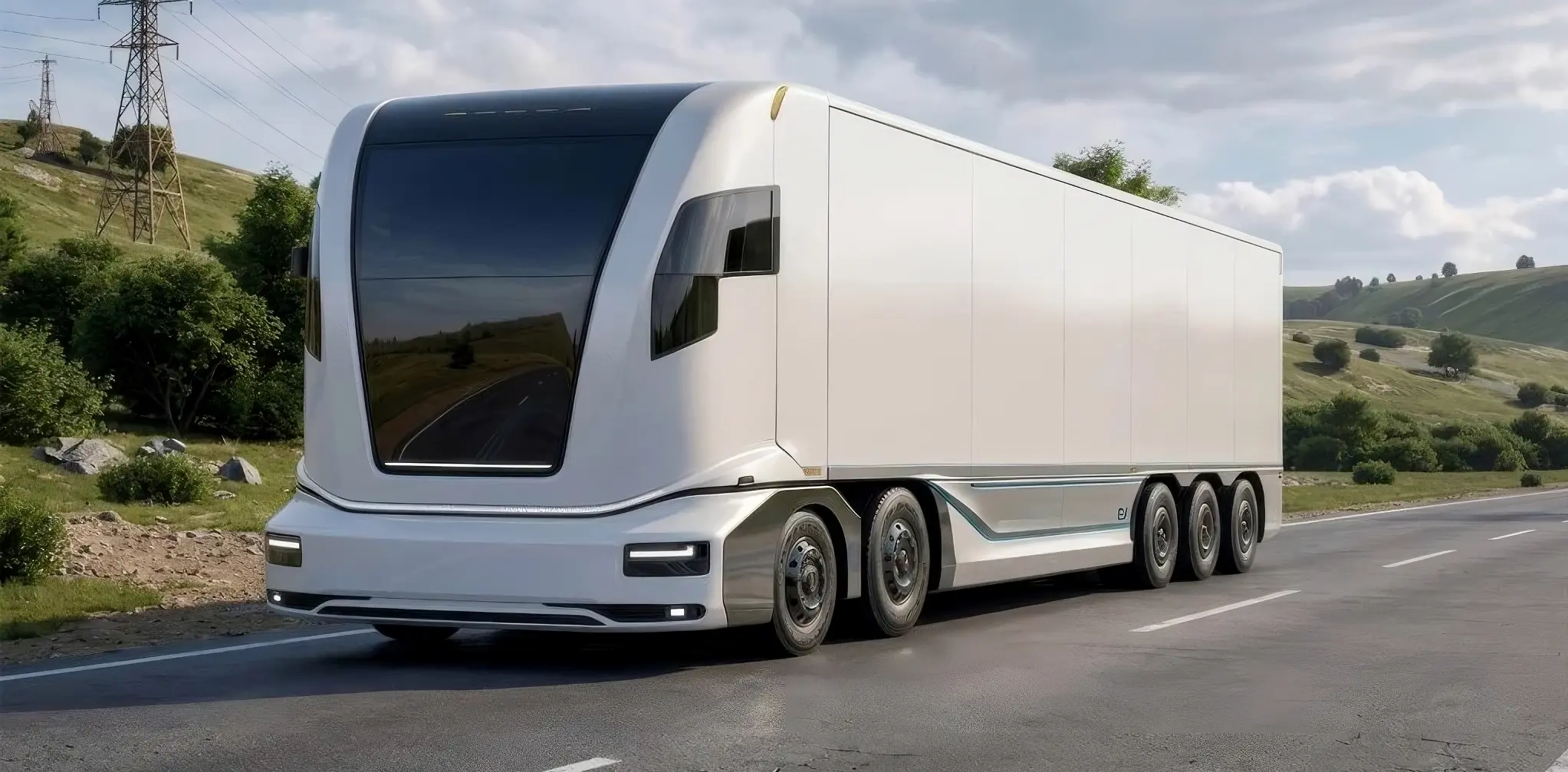
Voltempo bets on cabless design for autonomous freight
British electric vehicle company Voltempo has detailed plans for a cabless, fully autonomous electric truck: a rigid 15.6-metre vehicle that would exceed the UK’s current 12-metre length limit for non-articulated trucks and carry up to 42 tonnes across five axles, against today’s 32-tonne, four-axle maximum. A prototype of the unit, dubbed the “Smart trailer”, is due by September 2027, with production targeted for later that year and first deliveries expected to follow in mid-2028.
Removing the driver’s cab is the design’s central proposition. In an interview with Autocar, Founder Michael Boxwell said that the vehicle’s laden weight could fall to between ten and 12 tonnes, against roughly 19 tonnes for a conventional electric articulated truck. The economics behind this argument is strong: if realised, it would free up around 15% more cargo volume and five to seven tonnes of extra payload capacity. That would in turn lift the average freight carried from 16 tonnes to 18.6 tonnes, despite the vehicle sitting 1.5 metres shorter than a standard articulated HGV. “Your average weight on the road is three times lighter because of the rigid body,” Boxwell said.
Voltempo will not be manufacturing in-house. Instead, Berkeley Coachworks is building the prototype’s body, with an unnamed major truckmaker supplying the electric powertrain. Testing is planned at an autonomous vehicle test track in South Wales, and the UK’s Automated Vehicles Act, which allows driverless vehicles on public roads, would potentially allow trials to move onto national highways.
Boxwell said that every major truckmaker in Europe has already agreed to support formal reclassification of the vehicle category and build to the resulting specification. Having buy-in from industry is essential, given that Voltempo’s design cannot legally operate commercially until regulators approve it.
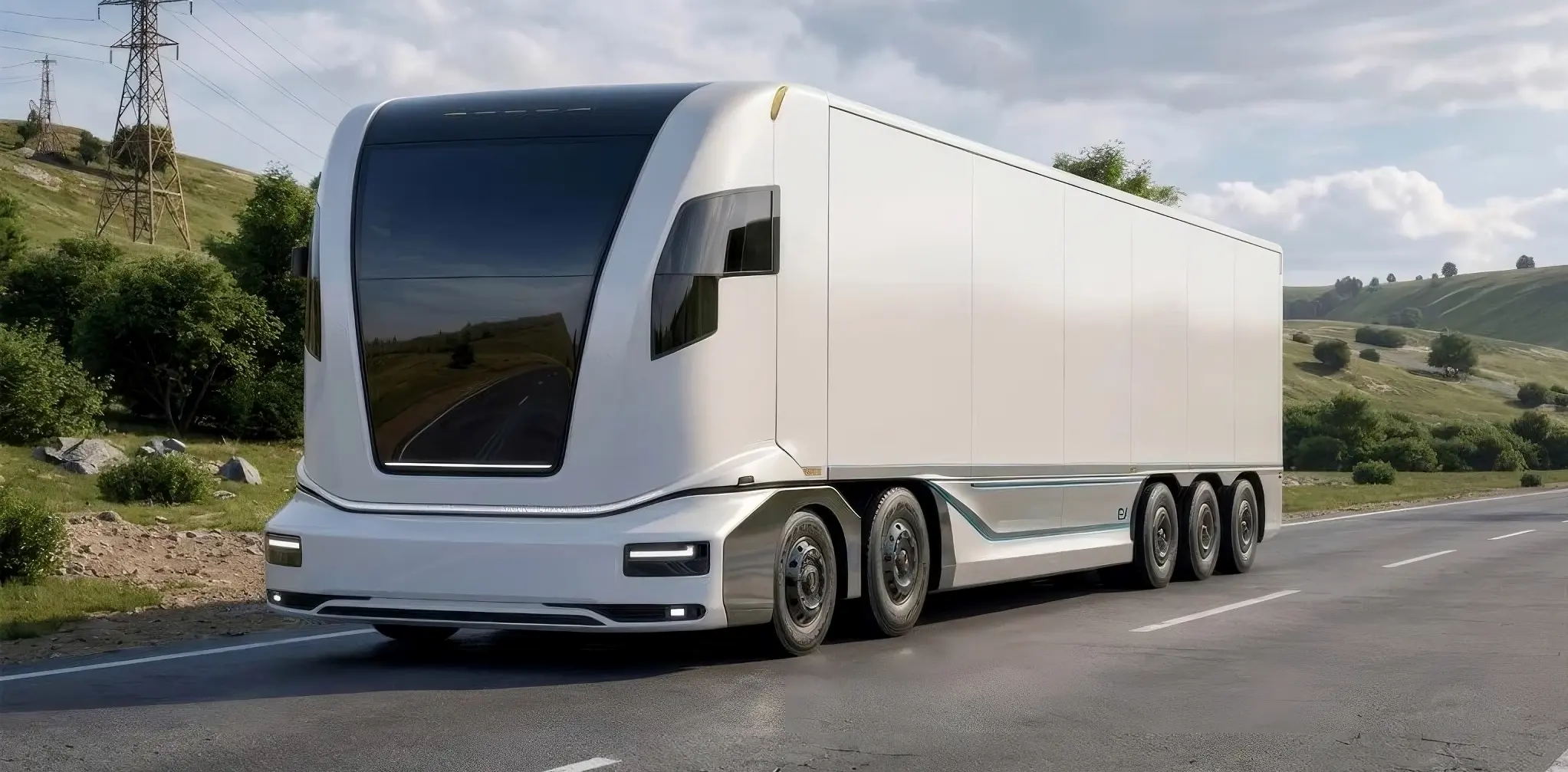
Voltempo is currently targeting fixed logistics routes between ports, railheads and distribution centres rather than open-highway long-haul freight—a narrower and more contained regulatory challenge than the interstate autonomy US counterparts like Kodiak and Aurora Innovation are pursuing. On the other hand, Voltempo already benefits from a 35-site national charging network, with more sites on the way. How well-equipped these sites are to handle autonomous vehicles, however, remains unclear.
As it stands, each new route will require separate approval from local authorities before deployment. The company expects the network to expand only once early routes have been demonstrated as successful. Beyond raw capacity, Boxell also pointed towards worsening driver shortages—true in the UK and many other major trucking markets—and reduced truck numbers on the road overall as additional benefits beyond raw capacity.
Of course, Voltempo is not alone in pursuing autonomous trucking—it isn’t even alone in taking the cabless approach. Sweden’s Einride has developed its own autonomous electric truck, since renamed the eBot, although its dimensions remain undisclosed and its revenue still comes largely from conventional electric trucks instead. Einride separately announced a partnership with DAF in June to co-develop a commercial SAE Level 4 autonomous electric lorry, with interface testing between the two companies’ systems due to begin later in 2026. Volvo’s Vera platform also pursues a similar cab-less concept for repetitive hub-to-hub routes.
Still, Voltempo’s approach differs from most of its rivals, which typically retrofit autonomous software and sensors into existing diesel or electric tractor cabs rather than redesigning the vehicle from scratch. Fernride, Aurora and Oxa focus on converting or software-enabling standard trucks for yard and short-haul terminal work, while Gatik uses conventional cab-equipped box trucks for middle-mile logistics. Voltempo instead builds its autonomous architecture natively around an electric-only platform with no cab at all.
By targeting fixed, pre-approved corridors rather than open highway autonomy, Voltempo has chosen a narrower commercial bet than its US long-haul rivals. It is effectively trading the scale of Kodiak or Aurora’s ambitions for a shorter, more contained path to actual commercial deployment, one that its own charging network head start will hopefully make easier to execute.
AP by OMG
Asian-Promotions.com |
Buy More, Pay Less | Anywhere in Asia
Shop Smarter on AP Today | FREE Product Samples, Latest
Discounts, Deals, Coupon Codes & Promotions | Direct Brand Updates every
second | Every Shopper’s Dream!
Asian-Promotions.com or AP lets you buy more and pay less
anywhere in Asia. Shop Smarter on AP Today. Sign-up for FREE Product Samples,
Latest Discounts, Deals, Coupon Codes & Promotions. With Direct Brand
Updates every second, AP is Every Shopper’s Dream come true! Stretch your
dollar now with AP. Start saving today!
Originally posted on: https://www.automotiveworld.com/news/voltempo-bets-on-cabless-design-for-autonomous-freight/