
Reuters: Tesla misled European regulators on FSD safety
Tesla presented inflated and methodologically flawed Full Self-Driving (FSD) safety statistics to regulators in the Netherlands and Sweden as part of its campaign to secure European approval, a Reuters report published 15 June has claimed. Among other things, the submitted data claimed FSD-equipped vehicles travel more than seven times farther between crashes and are up to ten times safer than the average human driver—figures that independent researchers say are based on highly unrealistic assumptions.
To hold true, Tesla’s data implicitly requires that every US vehicle, including freight trucks and motorcycles, would be replaced by a Tesla running FSD, and that every such Tesla is, by extension, at least seven times safer than the vehicle it replaces. A separate claim that FSD theoretically could have prevented 32,000 deaths and 1.9 million injuries rests on the same absurd premise of universal adoption.
More granular statistical methodologies only serve to compound the data’s reliability: Tesla compares airbag-deployment crashes in FSD-equipped vehicles against a US crash rate covering all severity levels, including far less serious incidents that do not trigger airbags. It also benchmarks its vehicles against the average US car, which is significantly older and lacks the modern safety features that reduce crash rates regardless of whether FSD is active. The effect is to attribute to FSD a safety advantage that is at least partially explained by the relative newness of Tesla’s fleet, more so than anything unique about its technology.
The Dutch road authority RDW, which approved FSD in April after 18 months of testing and is now pursuing EU-wide approval on Tesla’s behalf, told Reuters it does not rely on what it characterised as “marketing claims” or external statistics and conducts its own testing and verification. It declined to say whether it specifically assessed Tesla’s US safety data. Swedish authorities separately emphasised that they look “beyond headline figures” and would not base a decision on aggregated safety claims alone.
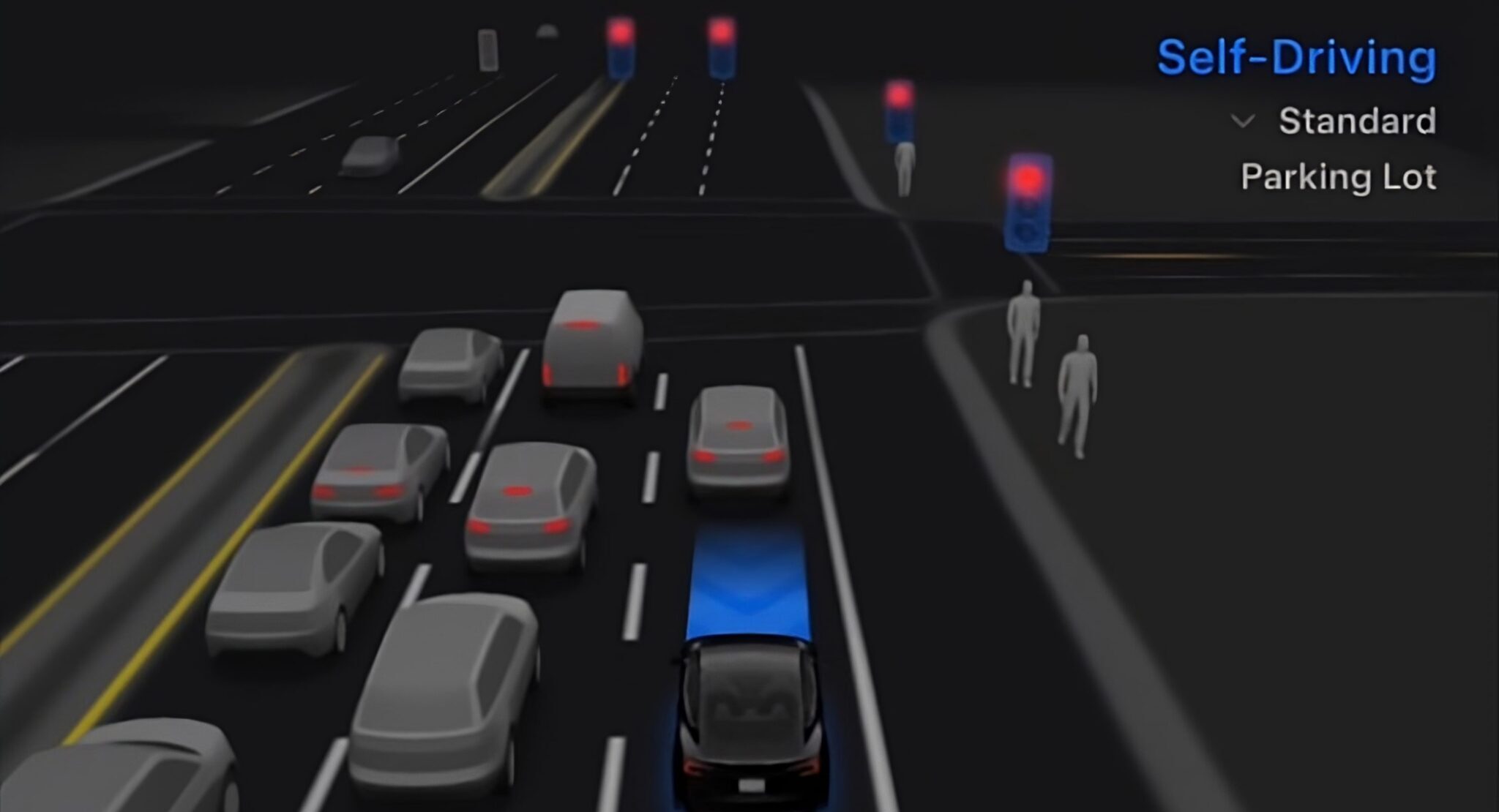
Each over-the-air update deployed by Tesla will require clearance by EU regulators
For Tesla, the timing of the reporting is less-than-ideal, if purely for reputational reasons. The automaker’s efforts to deploy FSD in European markets have seen it deploy a lobbying approach that antagonised several of the regulators it needed on its side. Presenting statistically questionable safety data to the authorities responsible for deciding whether the system is safe enough to approve is a different category of problem; it goes directly to whether the evidentiary basis for the five country approvals already granted is as solid as RDW has suggested.
The approvals so far—Netherlands, Lithuania, Estonia, Denmark and Belgium—all rest substantially on RDW’s original type-approval, which other states can recognise without independent assessment. Greece has cited “data from the other side of the Atlantic” in expressing its intention to approve FSD; Norwegian regulators noted that Tesla’s figures are “self-produced”, making it “difficult to find correlation with the authorities’ accident statistics”.
The European Transport Safety Council said it was “certainly concerned” and called for any safety claims to be independently verified by a qualified researcher before regulators act on them. Tesla’s own inability to meet previous promises, several of them written into consumer contracts, has also drawn substantial criticism; earlier in June the automaker was reported to be retroactively altering contracts to remove any allusion of guarantee of eventual full vehicle autonomy.
The pan-EU approval process requires a vote clearing 55% of member states and 65% of the EU population: thresholds that effectively require sign-off from Germany, France or Italy. None have moved toward approval, and all three have raised concerns about the adequacy of Tesla’s safety data for European road conditions. The EU AI Act requires pre-deployment documentation for every single over-the-air update, creating a compliance burden that cannot help but jar with Tesla’s iterative release model; GDPR creates additional friction over data collection practices. The European Commission’s committee is not expected to vote before October at the earliest.
Tesla has positioned FSD approval as central to its European sales recovery following the 28% market collapse of 2025. The Reuters investigation does not invalidate the country approvals already granted—RDW’s independent testing may well have produced a robust assessment of the system’s European performance regardless of what Tesla submitted alongside it. What it does is hand critics of the approval process substantive new ammunition at precisely the moment Tesla needs the remaining major EU markets to extend trust rather than increase scrutiny.
AP by OMG
Asian-Promotions.com |
Buy More, Pay Less | Anywhere in Asia
Shop Smarter on AP Today | FREE Product Samples, Latest
Discounts, Deals, Coupon Codes & Promotions | Direct Brand Updates every
second | Every Shopper’s Dream!
Asian-Promotions.com or AP lets you buy more and pay less
anywhere in Asia. Shop Smarter on AP Today. Sign-up for FREE Product Samples,
Latest Discounts, Deals, Coupon Codes & Promotions. With Direct Brand
Updates every second, AP is Every Shopper’s Dream come true! Stretch your
dollar now with AP. Start saving today!
Originally posted on: https://www.automotiveworld.com/news/reuters-tesla-misled-european-regulators-on-fsd-safety/